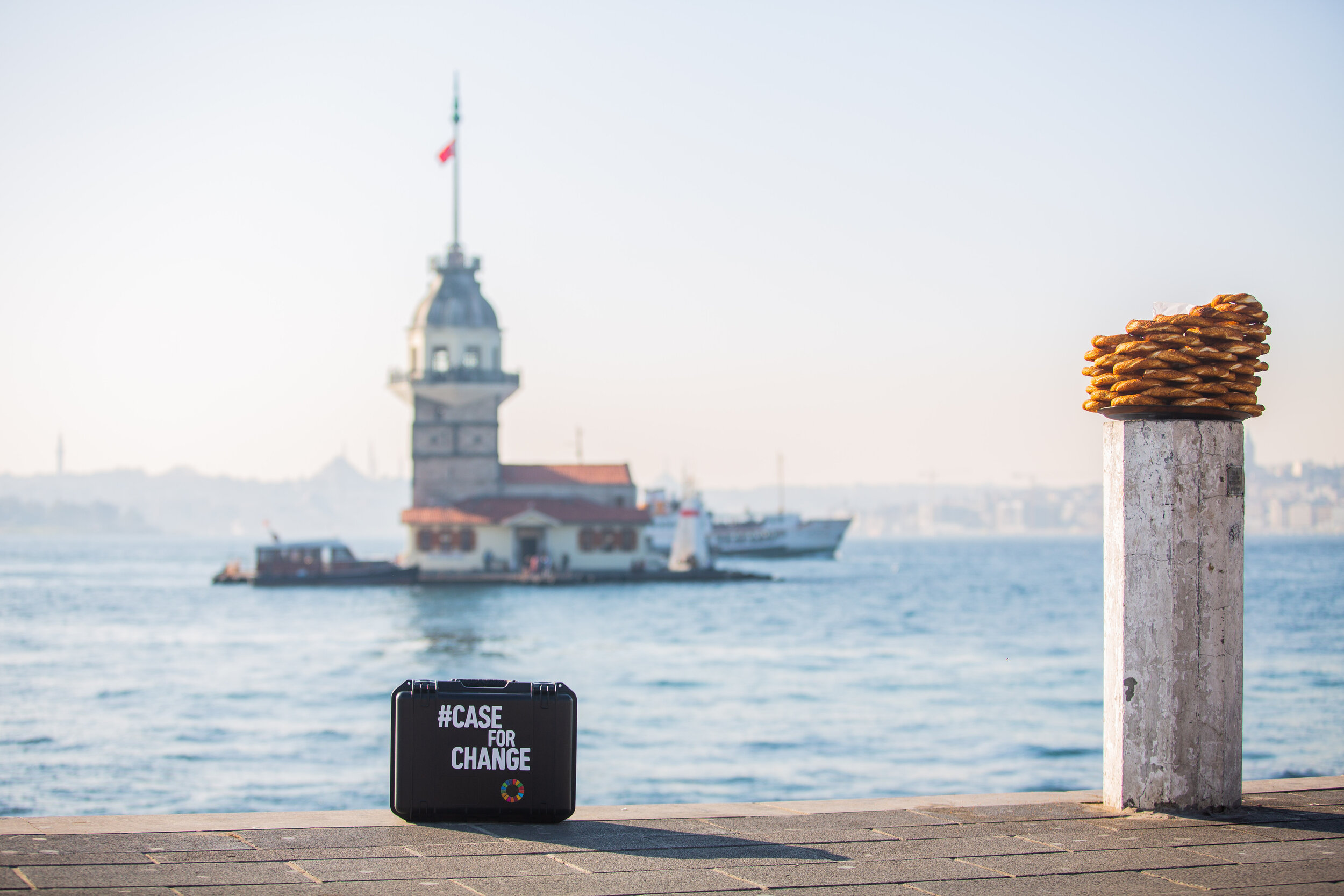
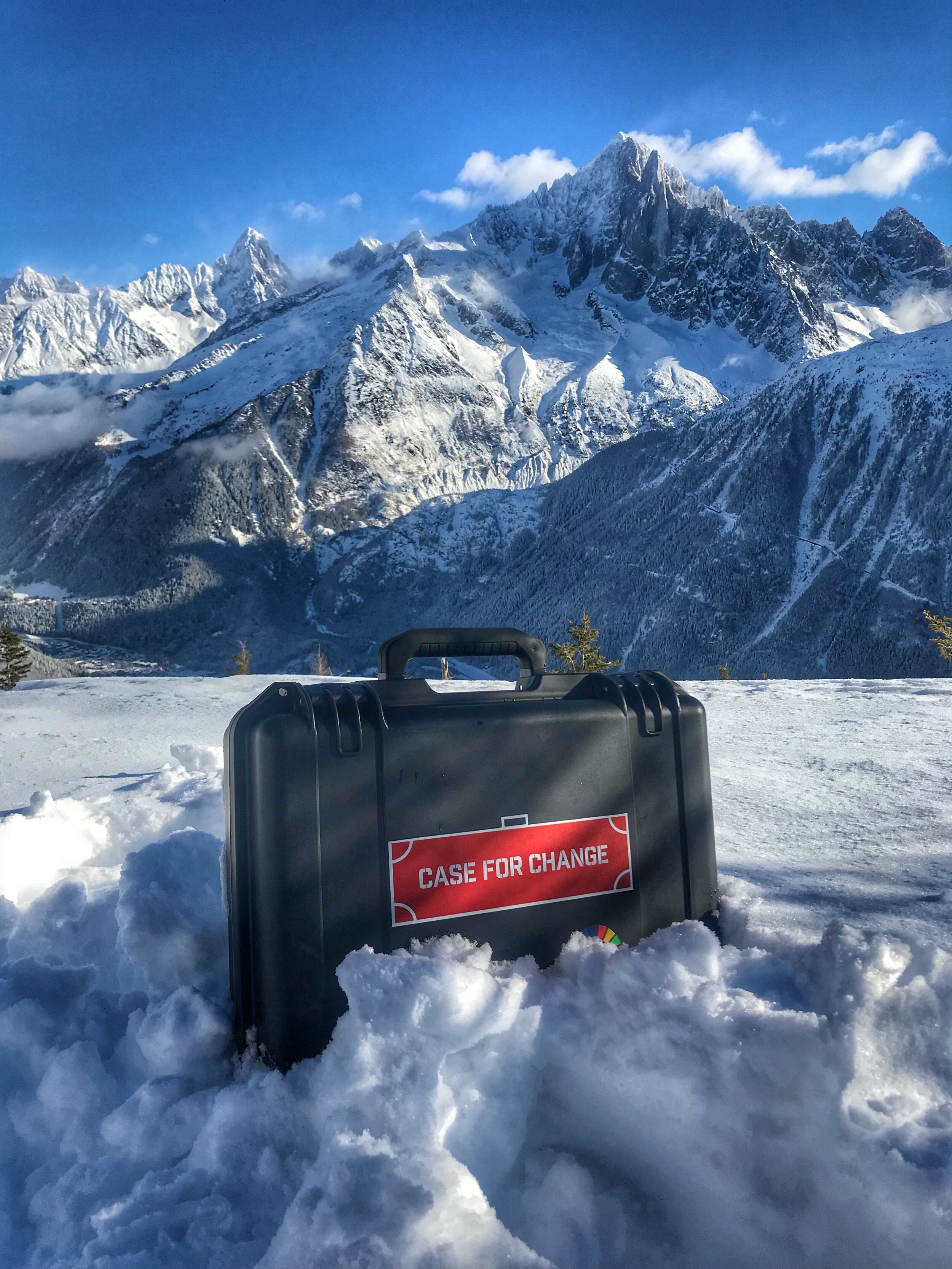
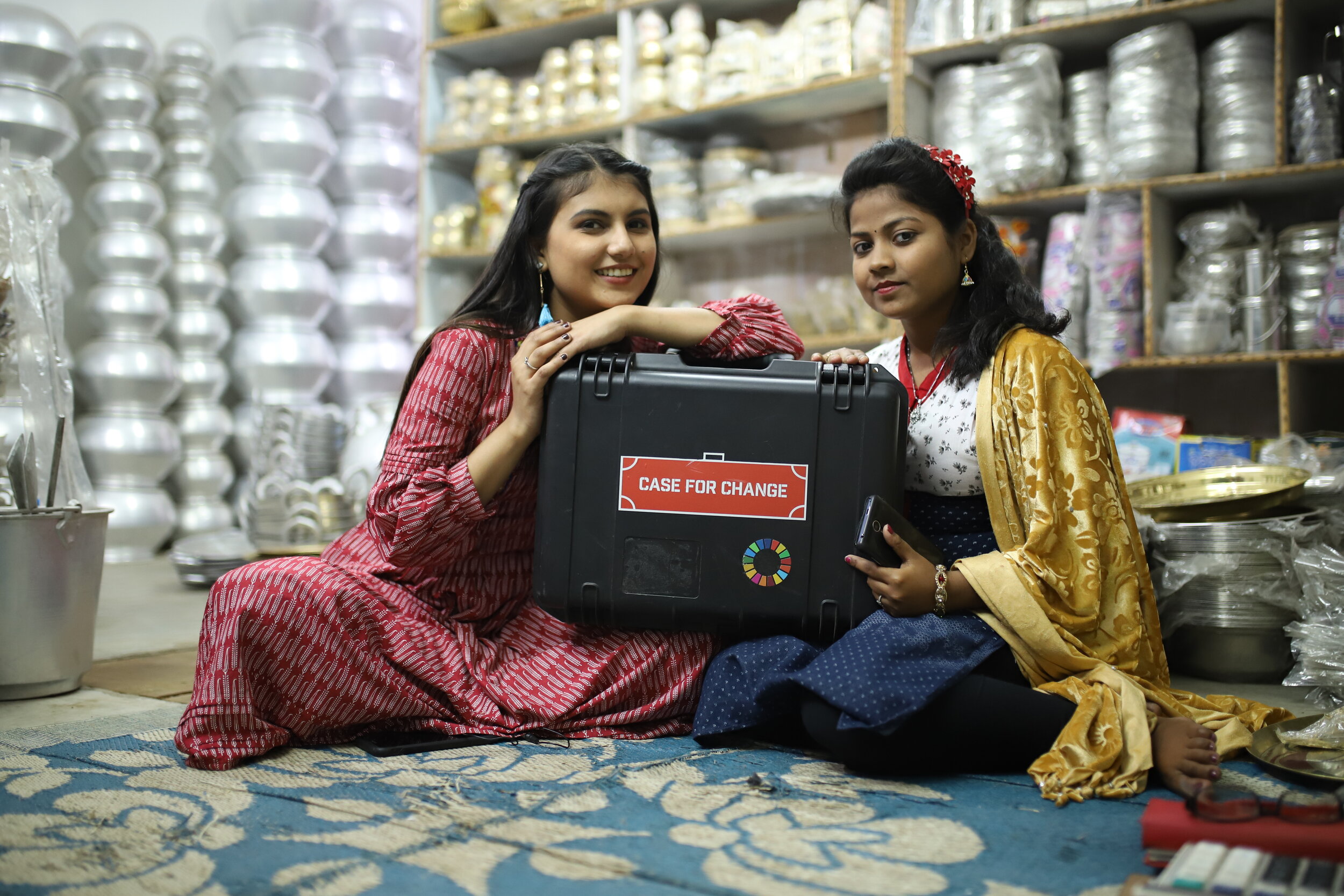
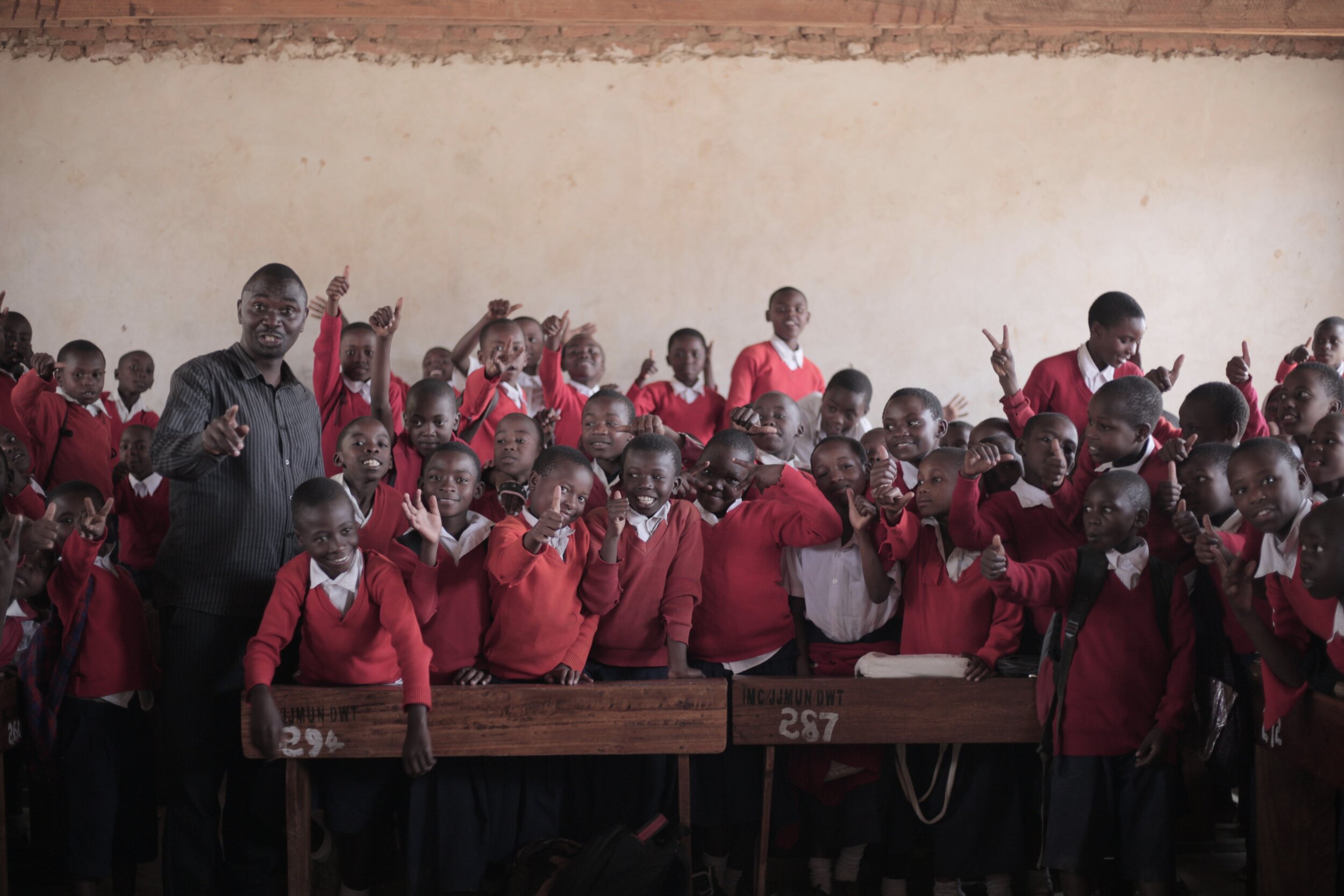
2017…during an intense and enthralling Mobile World Congress in Barcelona I was set a challenge. ‘We want to shine a light on the amazing impact mobile operators are having around the world and shift the narrative through video and social media’. I was simply asked ‘We want to do something like ‘Around The Mobile World in 80 Days’ and need to figure out if it will work…what do you think?’
Campaign showreel - discover the campaign that was Case For Change
The importance of connectivity may seem obvious in the current circumstances, with mobile becoming everything to every one of us in lockdown, but remember this was four years ago. When we didn’t really think about these things and the reputation of the mobile industry was surprisingly poor.
Over the course of three months, through learning about audiences, researching initiatives, brainstorming with creative agencies, building strategies and thinking about how to leverage all the tools and platforms available to us, Case For Change was born.
2020…Three years on, this global awareness campaign, aligned to the United Nations Sustainable Development Goals (SDGs), has travelled to over 40 countries and told 60 stories of transformative change thanks to mobile connectivity. (You can see them all at www.caseforchange.com). The content from this campaign has reached over 320 million people and the 35 films created have been viewed over 40 million times.
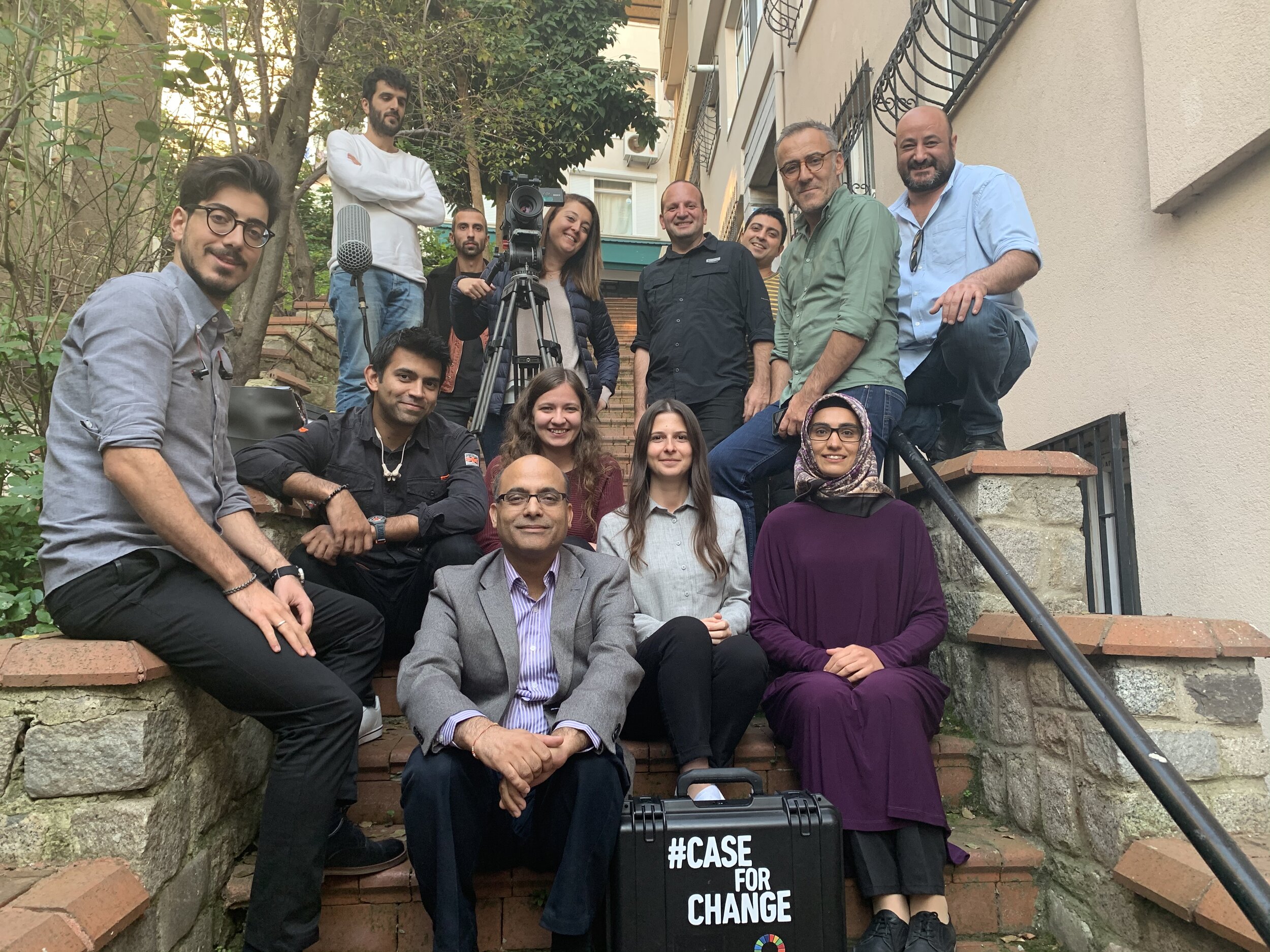
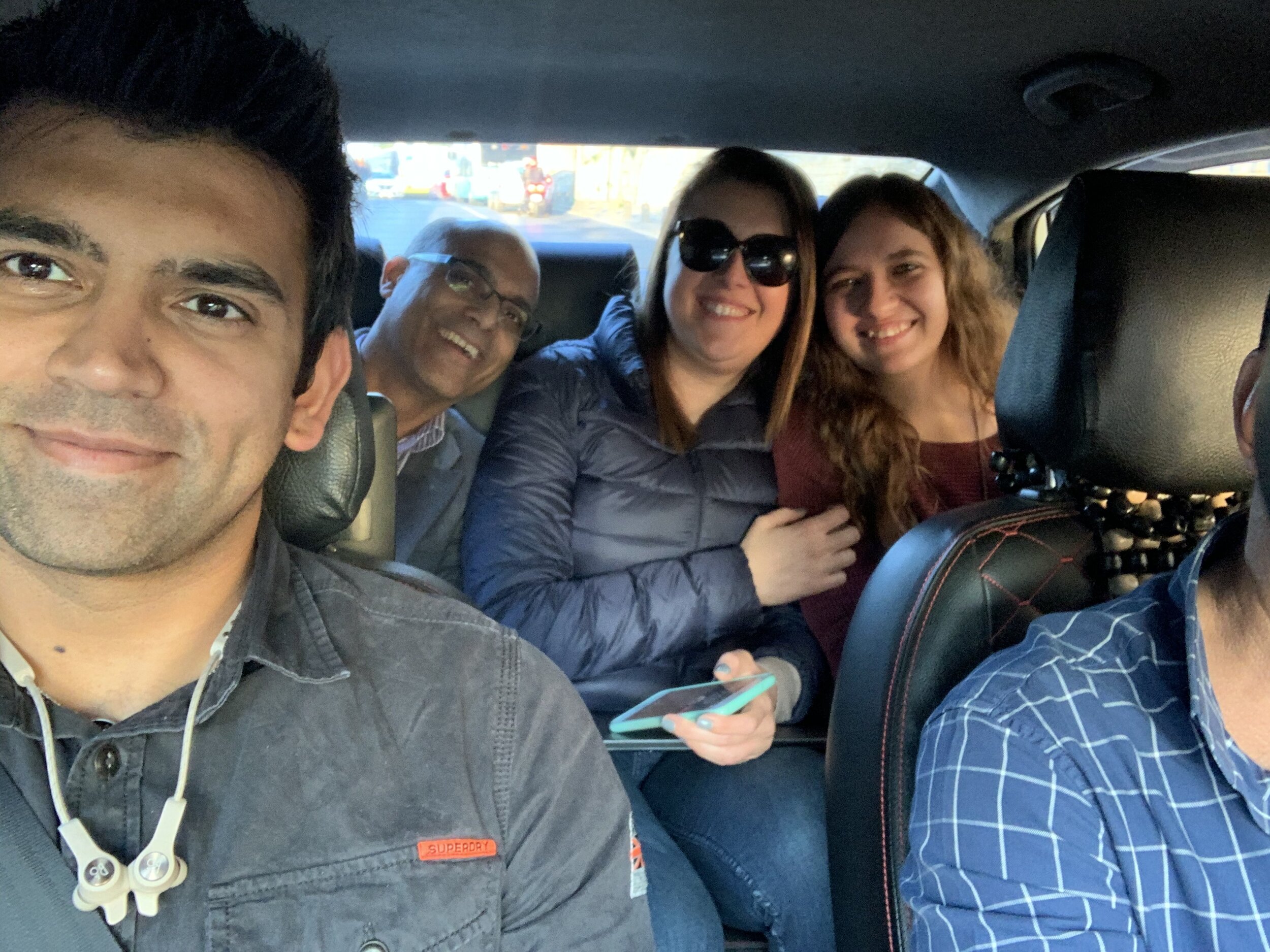
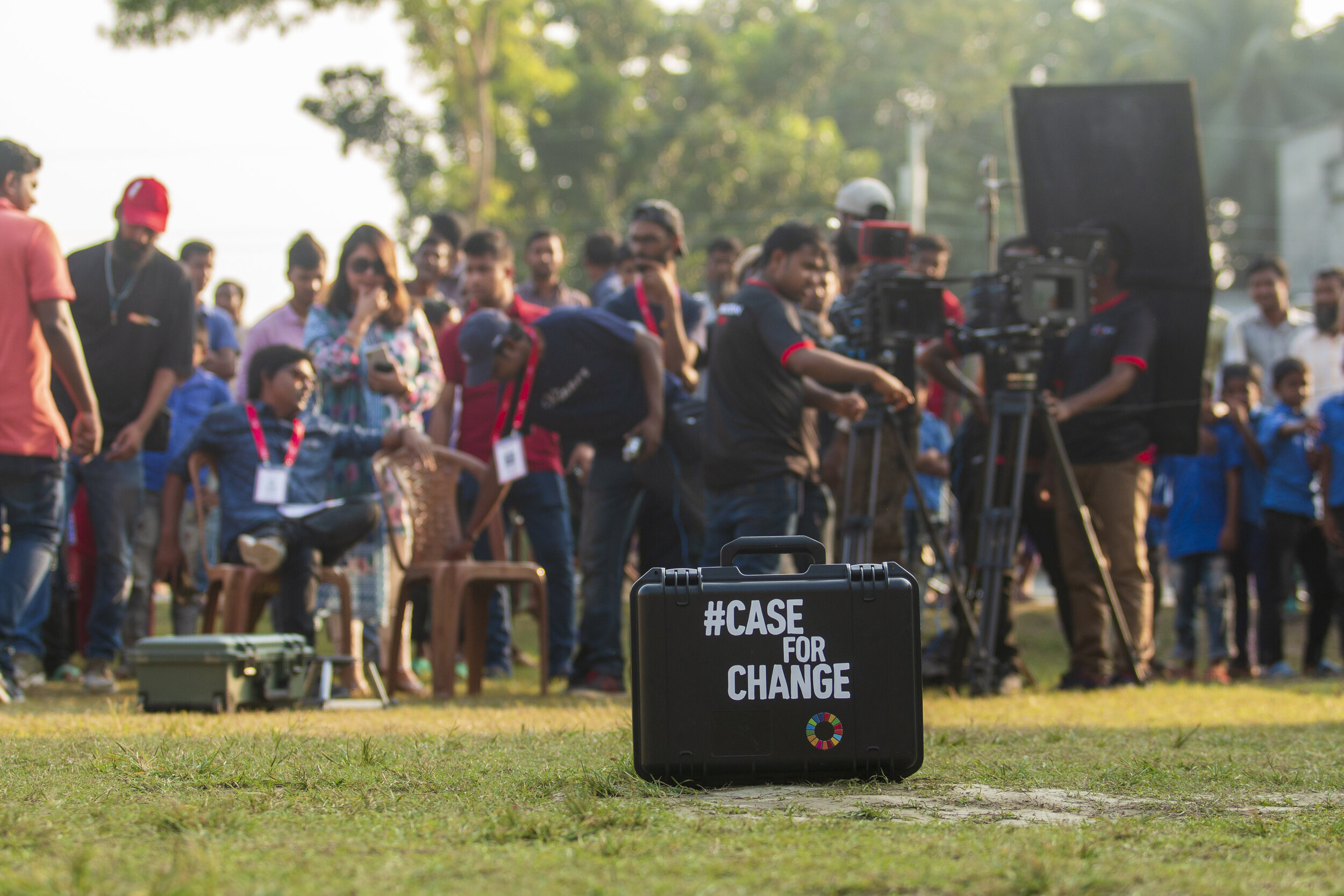
With campaign launches at huge events, time zone and language barriers, logistical and production challenges at every turn and a constantly evolving campaign, the team has had quite the adventure. Learning so much about so many facets within a modern marketing environment, witnessing first hand people’s everyday reality and meeting some of the most incredible people around the world, working with them and hearing their stories.
Here are a few things that I’ve learnt along the way:
1. Mobile is more than you think…
In the research phases, as we searched for the most transformative impact stories to showcase, the team and I checked every corner of the world for different types of applications. We must have reviewed over 400 different initiatives. Through this process I learnt about so many uses of mobile connectivity that would surprise me, impress me or sometimes just blow my mind. Occasionally, it was the innovation but most times it was the simple unique use of technology which had the biggest impact and was the most impressive.
The list below is by no means extensive as to where mobile connectivity is impacting but it covers some of the main themes from #CaseForChange:

Mobile money services helping those with little income to access fundamental services
Connecting the unconnected in the most rural parts of the world
Digital training skills for women and children
Education platforms for children in refugee camps and with disabilities
Digital birth registration services giving the next generation an identity
Supporting HIV patients with effective medical supplies visibility
Monitoring the impact of climate change through sensors
Cleaner energy and water solutions for millions through innovative connected devices
Analysing bee behaviour to preserve our food chain
Providing invaluable infrastructure post natural disasters
Monitoring sea life and forests to protect animals, nature and humans
Teaching new languages both for new countries and for new digital skills
Inspiring young talent to follow their dreams in ICT
Connecting the blind and prosthetic limb users with more options through technology
Using drones to save those in distress
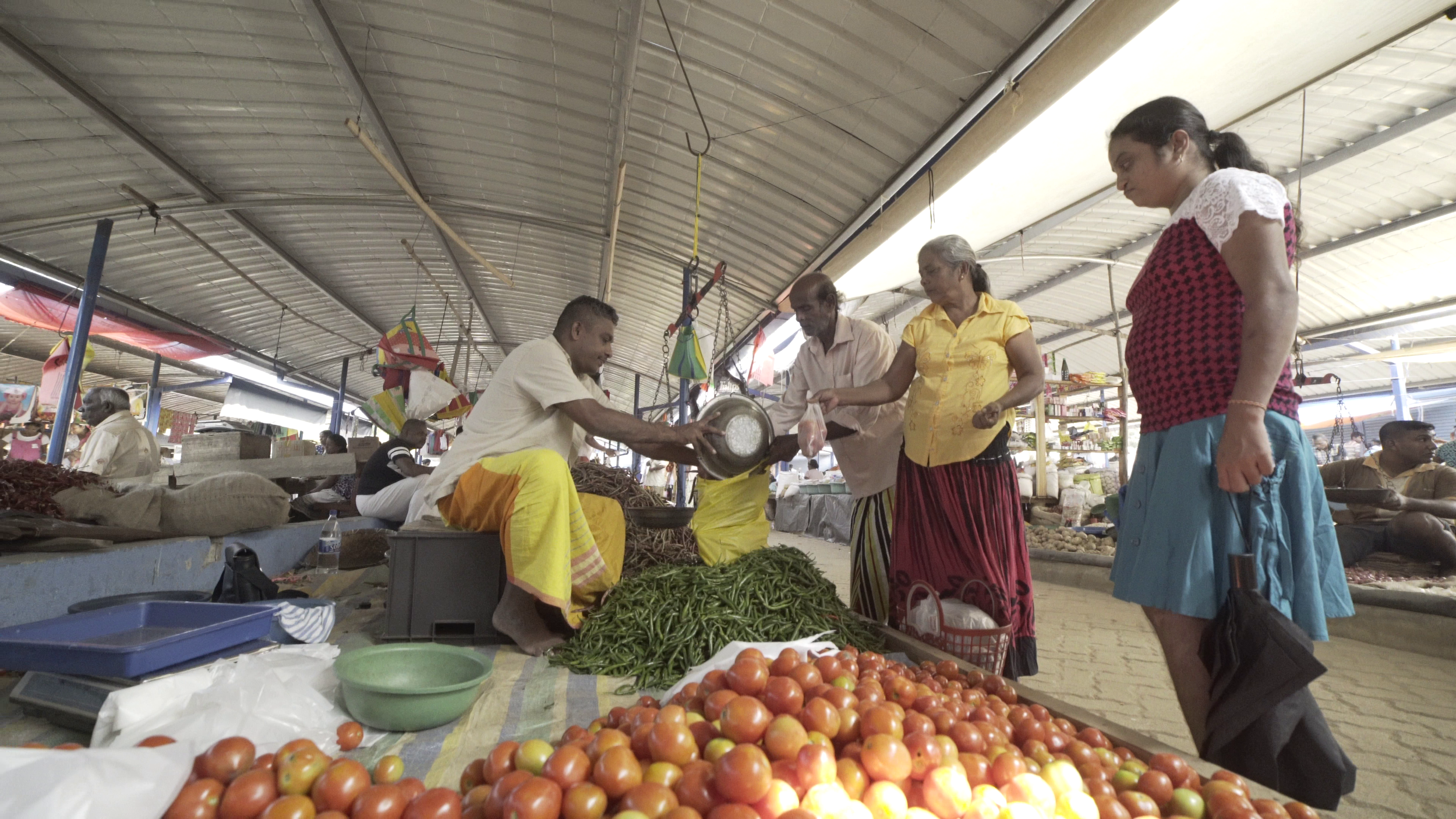
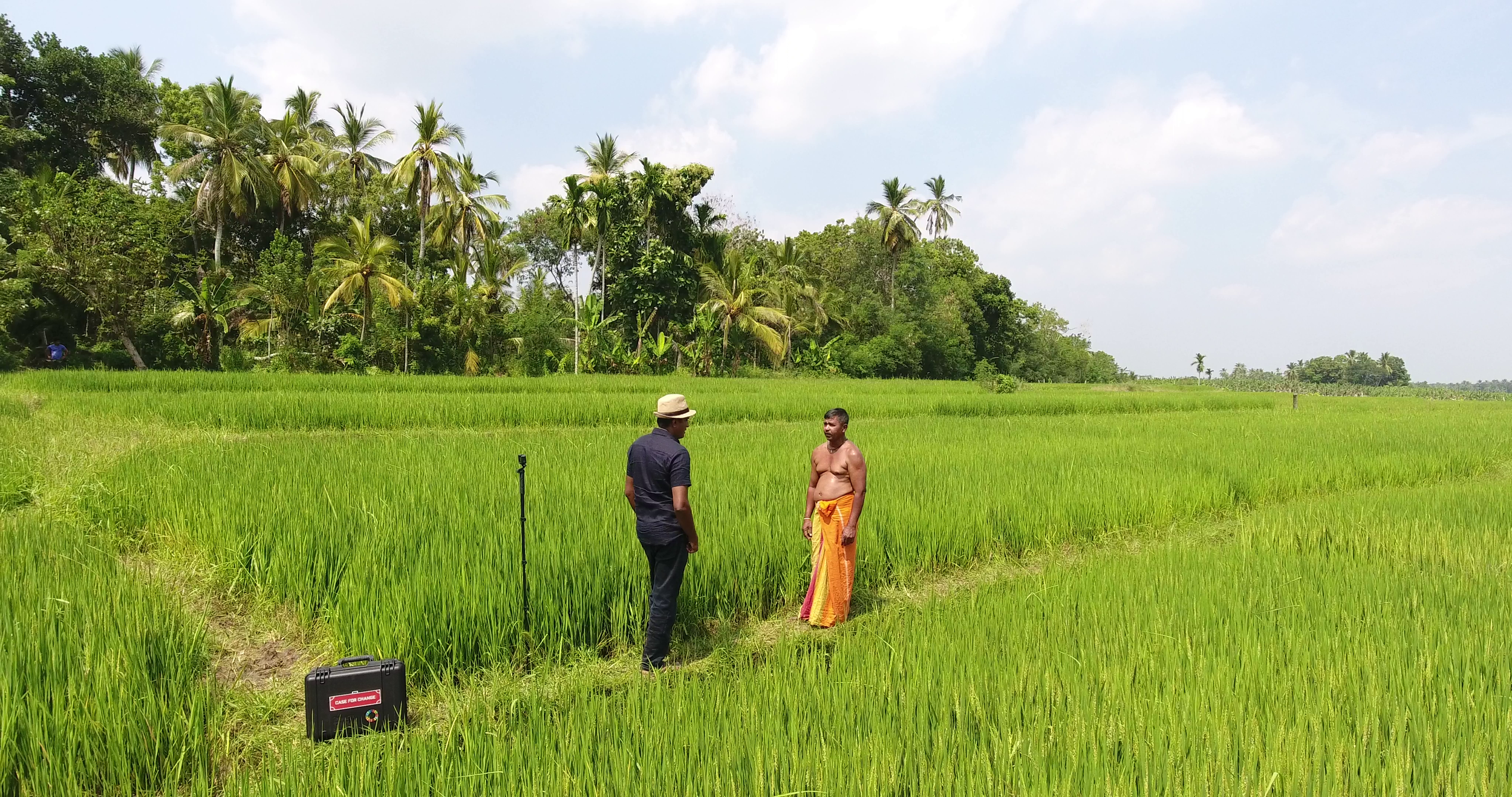
Supporting farmers to track and nurture their animals and crops
As technology and innovation continues, it will be amazing to see the next phase of how connectivity will shape our lives, especially in the realm of 5G, Internet of Things, Big Data and Artificial Intelligence.
2. Everyone is different

I was fortunate to grow up around people from different places around the world, I studied International Business management and the GSMA is an extremely diverse company internally and externally. So I was pretty exposed to some cultural differences going into this project but nothing prepared me for my own journey with each story.
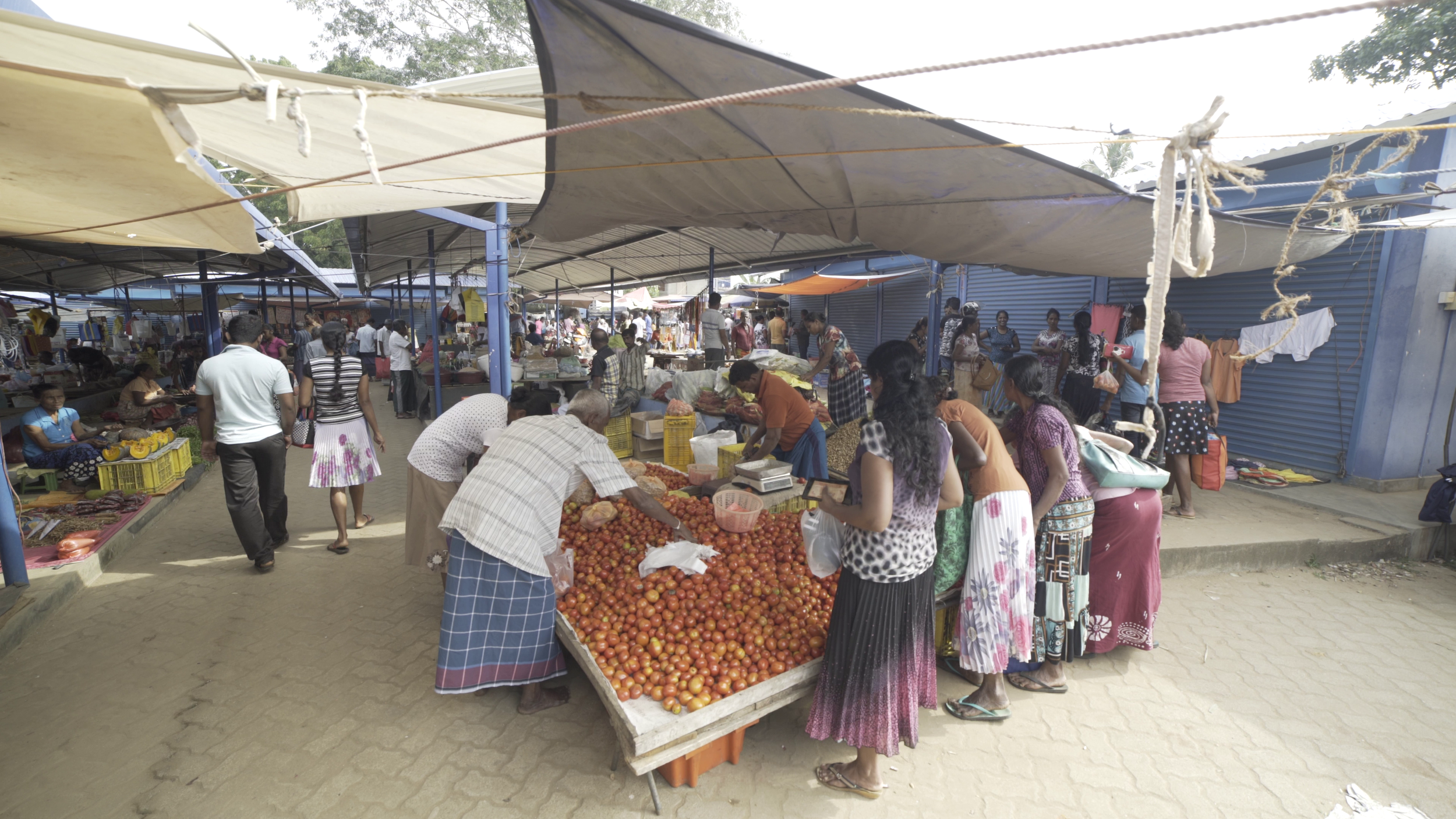
When working in different countries, rather than just visiting the tourist sites, I learnt that people conduct business differently, some like face-to-face only whereas some prefer a WhatsApp message. The way to engage with those in schools, refugee camps, hospitals, governments all follow different protocols and the only real way that we were able to navigate it was though the help of local teams who could share the right way of doing things. We didn’t want to offend anyone or cross any lines and when you’re digging into people’s lives it’s an easy thing to get wrong. Layer that then with corporate politics, brand and tone differences and you start realising that everything and everyone one is completely different, all with completely different stories.
The things that actually fascinated me the most was the realisation that of the 3 billion smart phones in the world no two phones are the same. The apps on that device, the layout, background, case, music, images – everything is so unique it really is the equivalent of your digital thumb-print.
3. Everyone is the same
Having said that, one perspective you get from working on a global project and traveling to different pockets of our globe is a sense of universal humanity. Wherever you go, people are fundamentally positive, good and are happy to go out of their way to help others. We as people smile the same way, love the same way, support others on their endeavors in the same way, regardless of language or background.

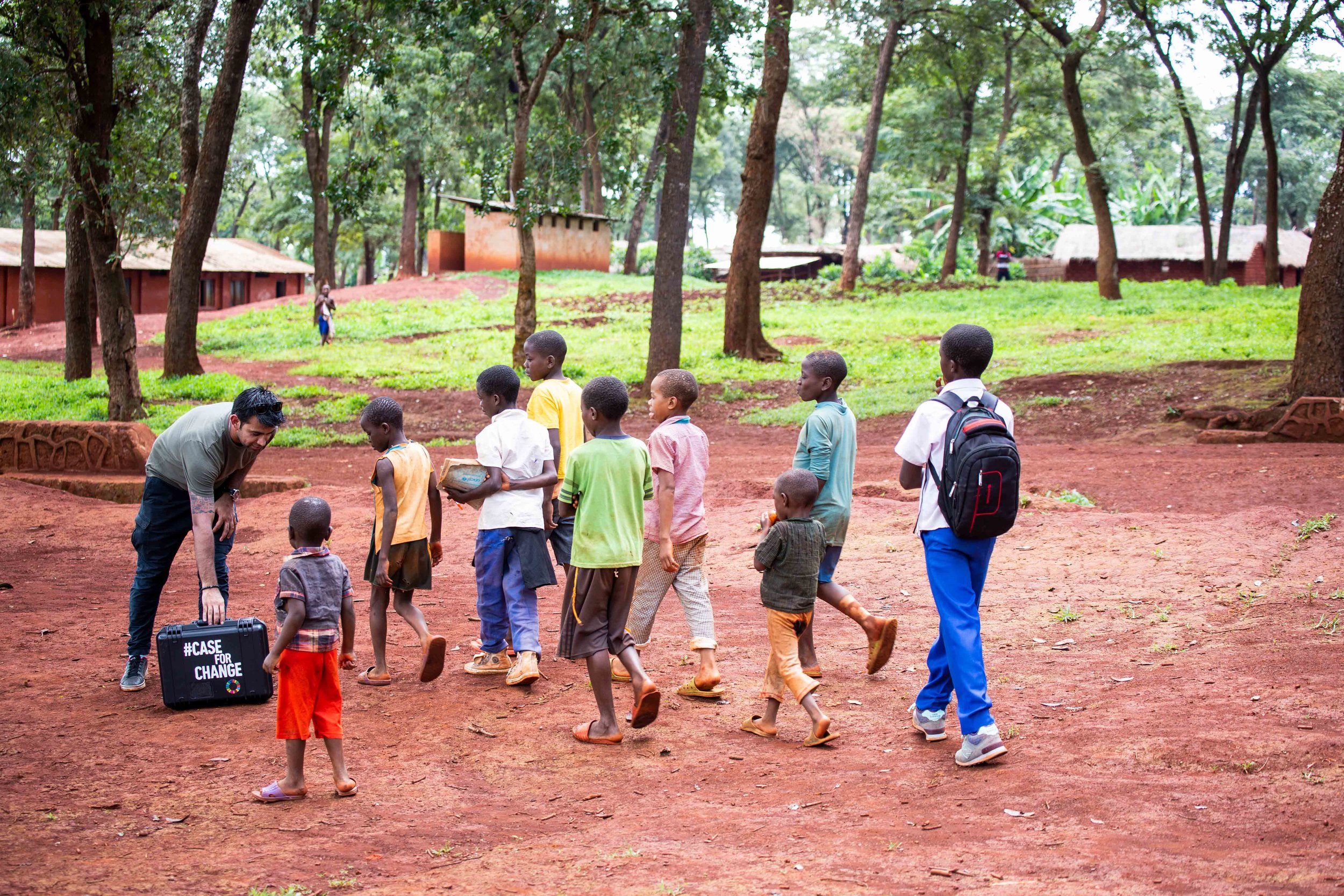
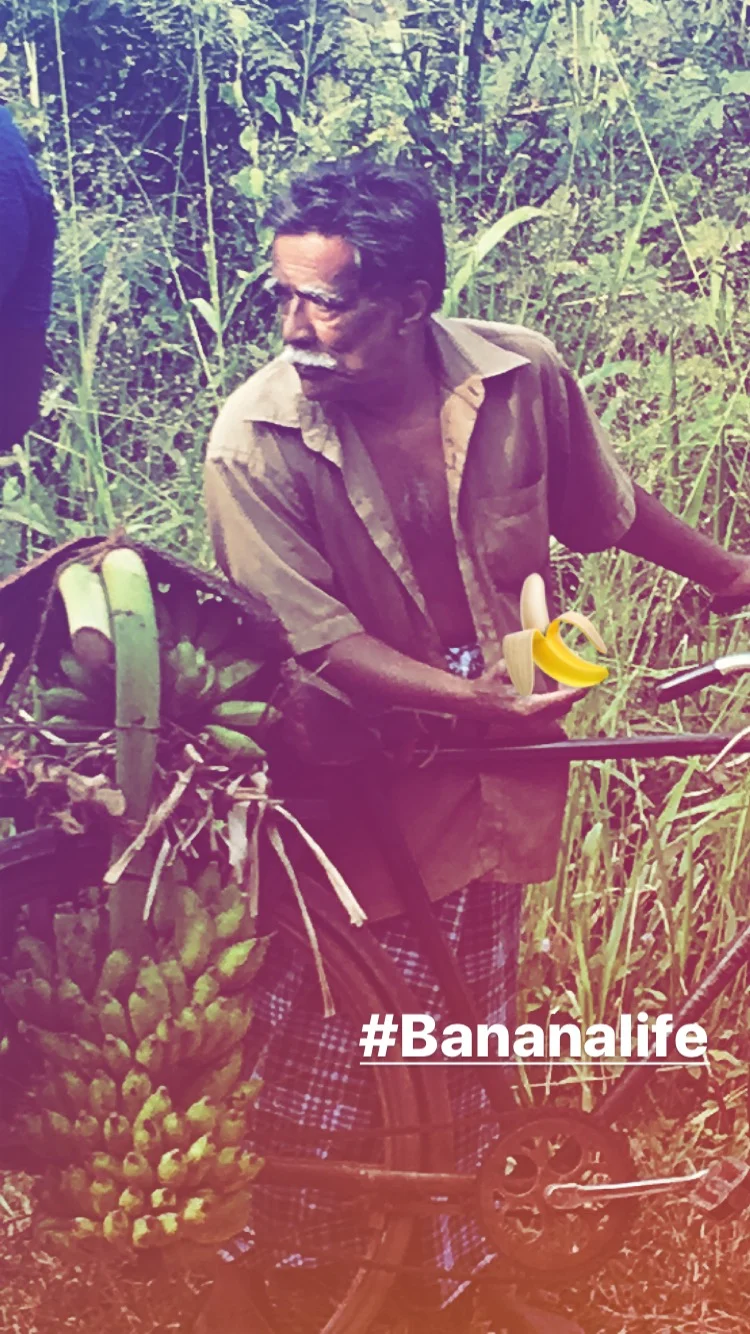
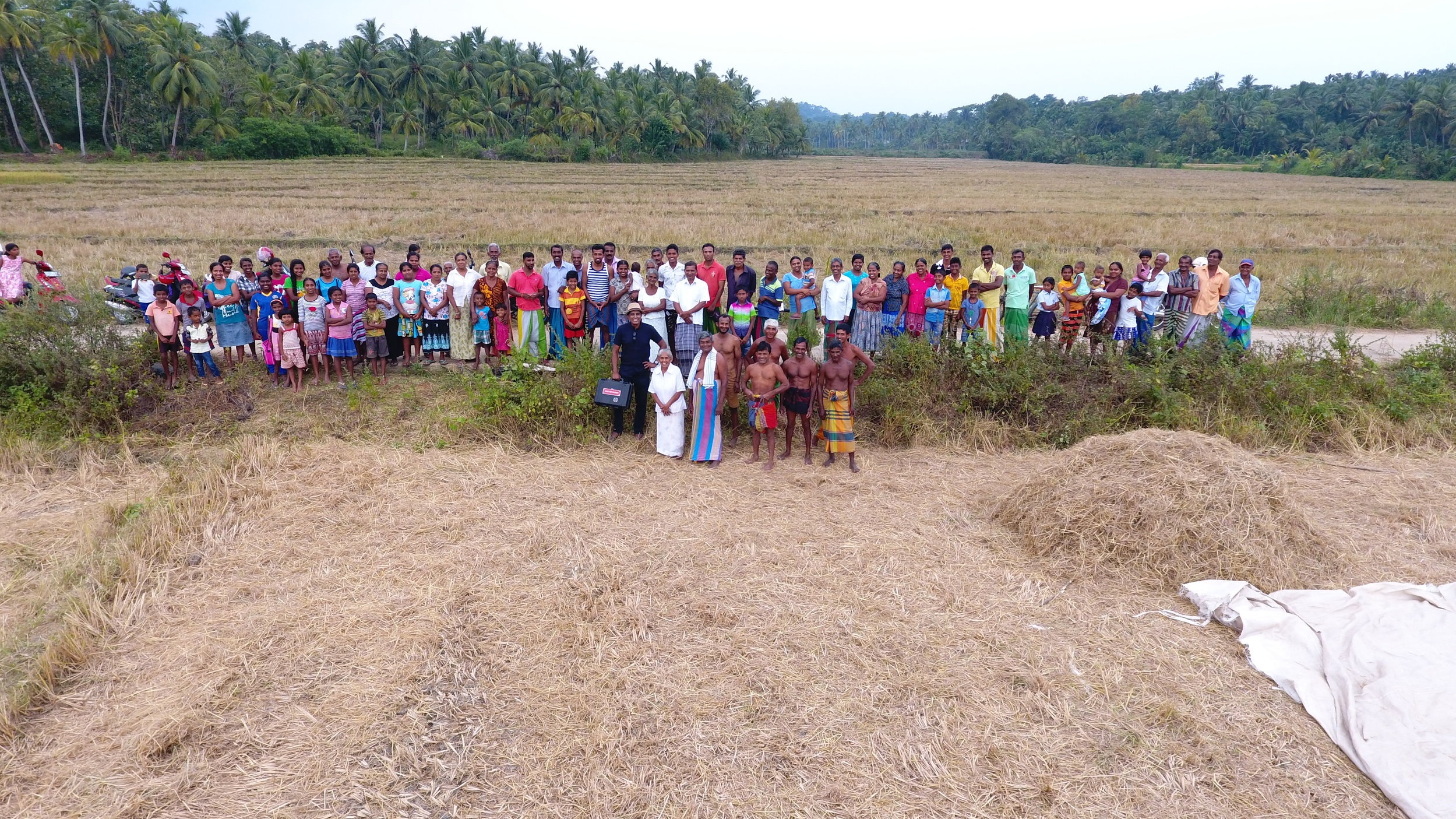
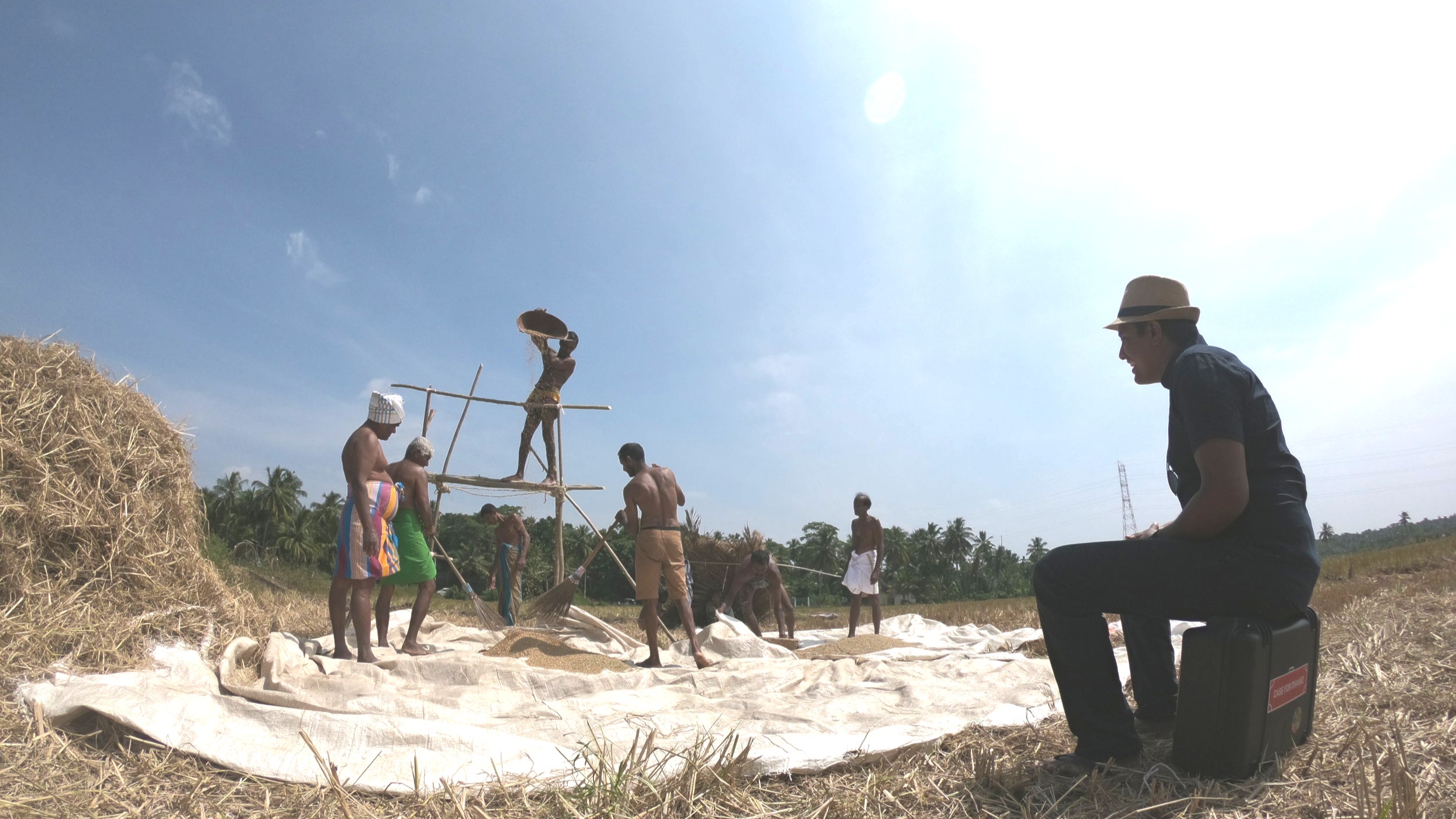
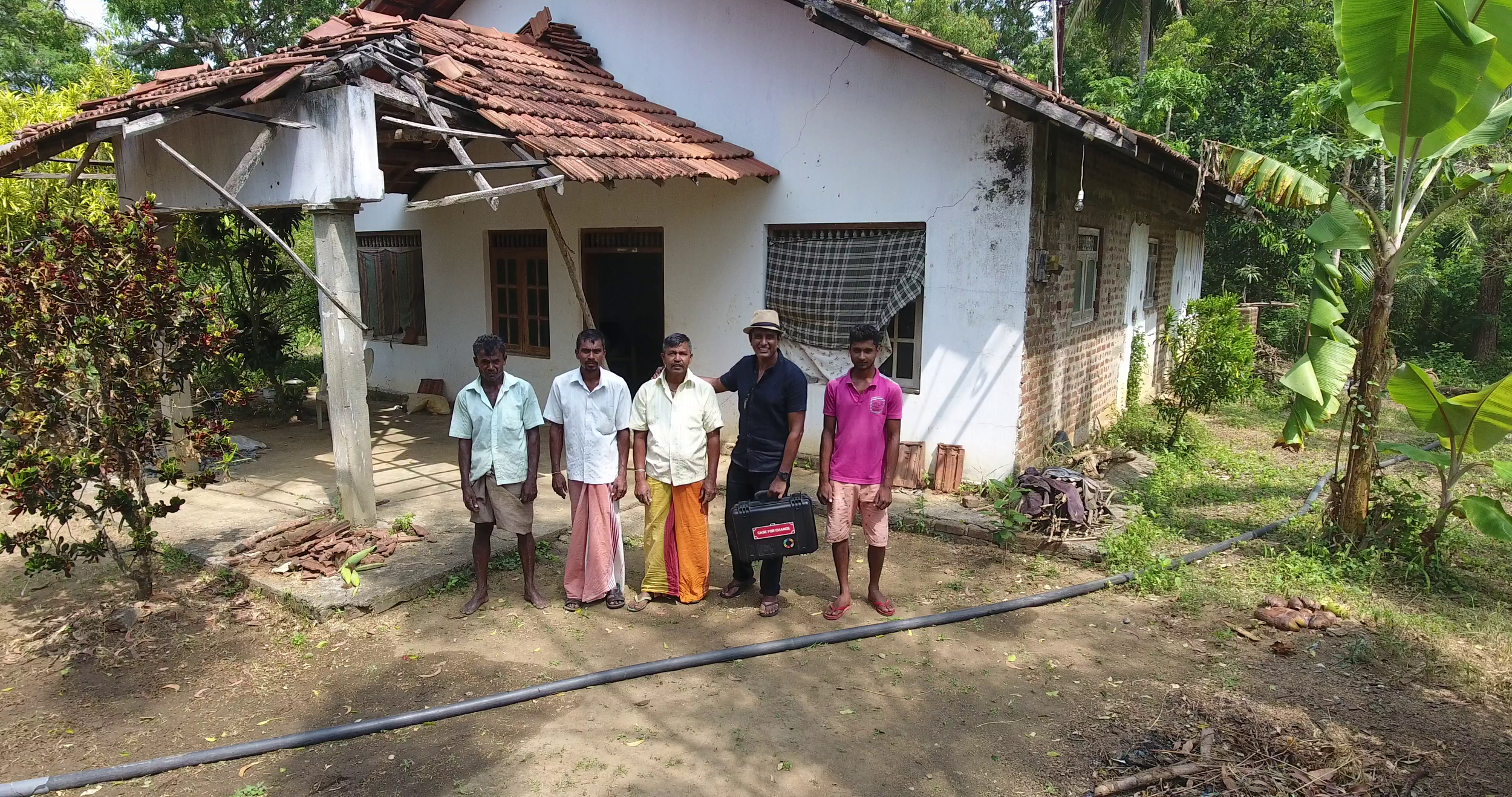
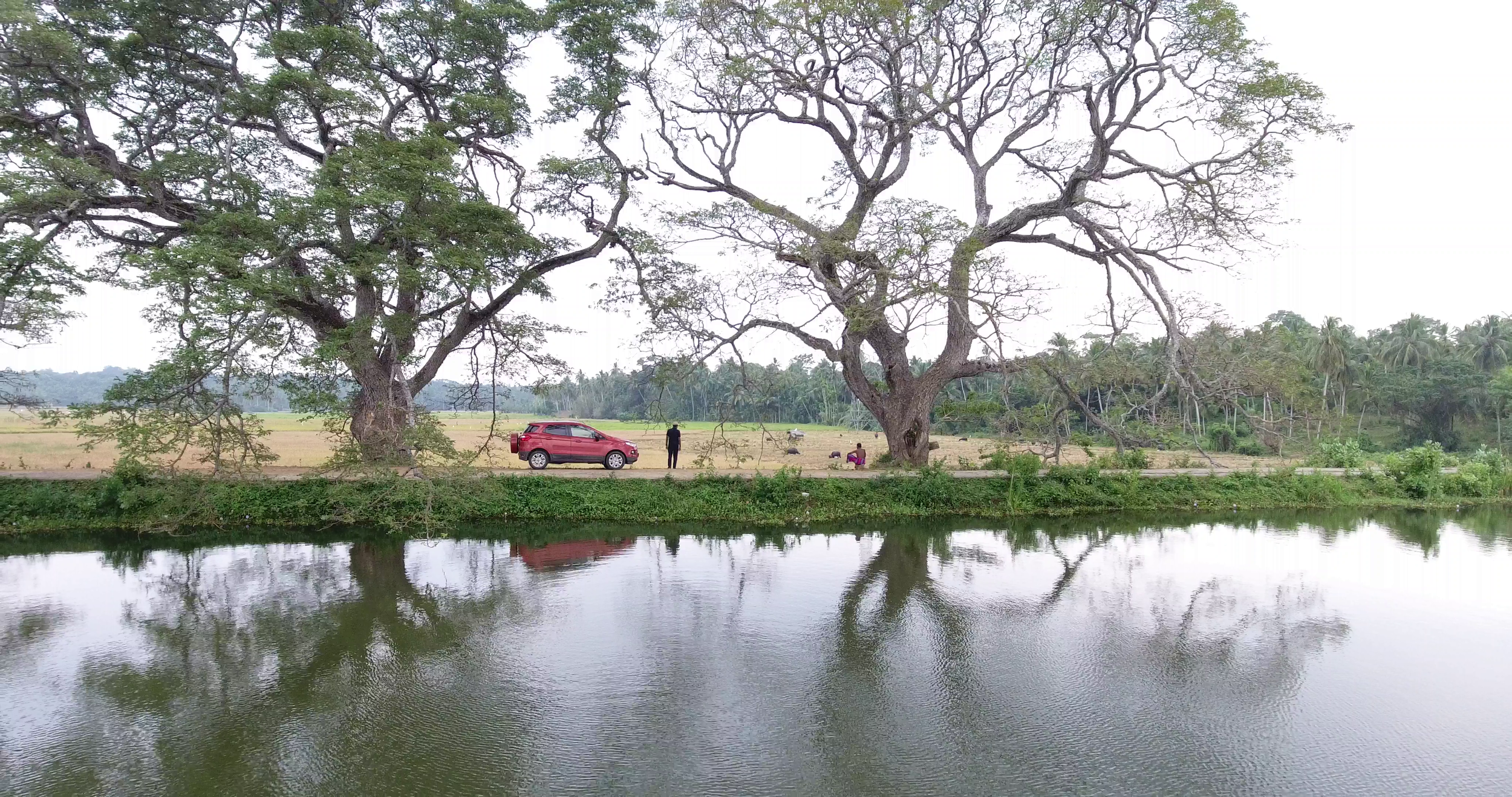
There were times when we were sat in a Tanzanian refugee camp or in a field in rural Sri-Lanka and families invited us in for tea seeing how long we’d been out filming, or we’ve been sat with teenagers who have had some troubled experiences but a joke and a smile about something trivial, regardless of our inability to communicate, making us all burst into crazy laughter.
On numerous occasions we found ourselves in sticky situations, the worst was having one of the production teams escorted out of a Pakistani village with a police escort for fear of their safety, but at every intersection it’s people who went out of their way to support us and they did it at a personal cost and with a smile on their face. It’s given me a stronger sense of hope for the world we live in and the future that we’ll leave for our children.
4. The art of listening in storytelling
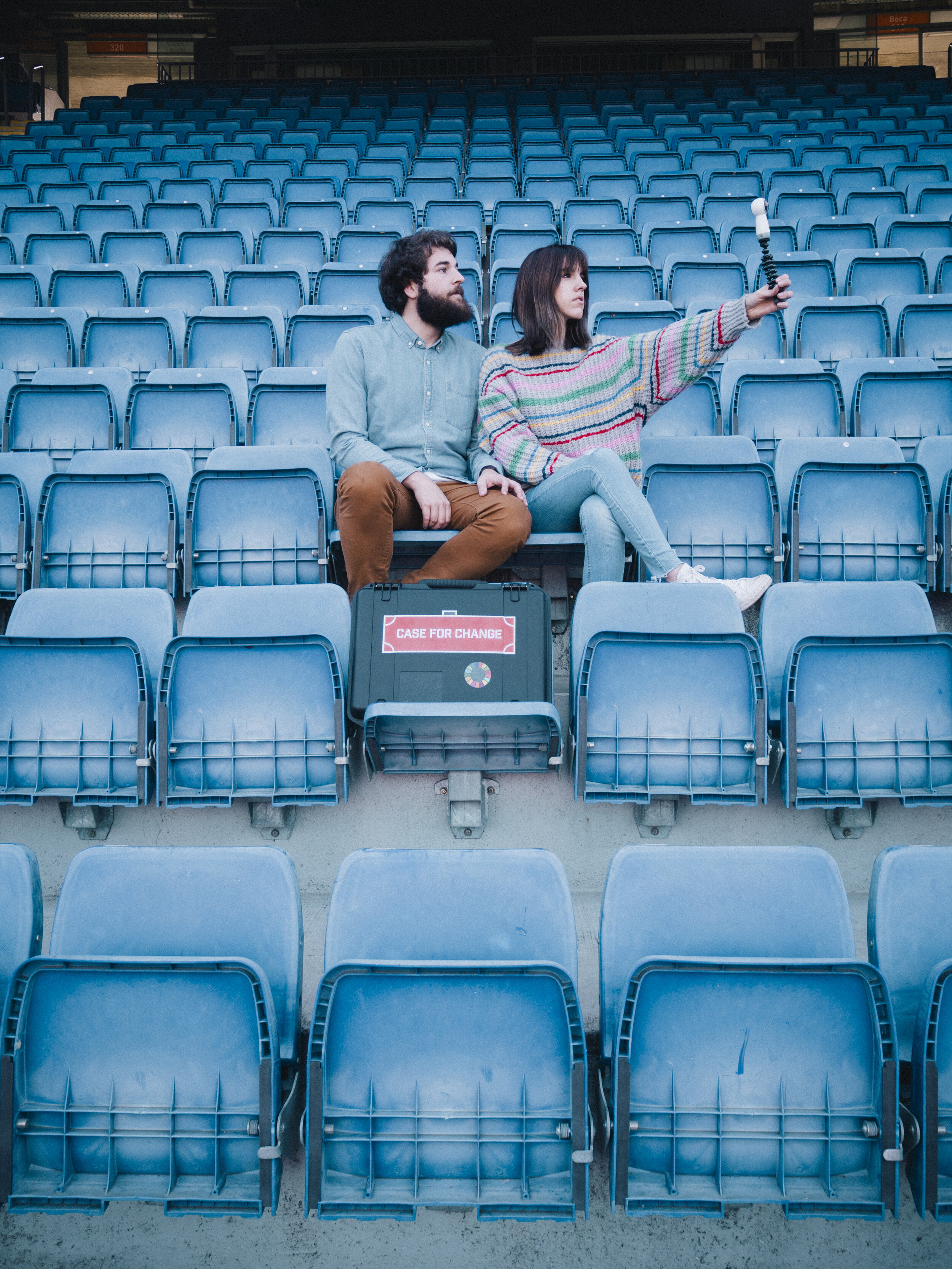
The focus on this campaign was to present how connectivity is transforming lives. To be able to do this we had to find a method of extracting compelling stories. With every scenario being different, sometimes we weren’t able to pre-interview or cultural barriers meant digging too deep on a video conference call wasn’t appropriate.
We built a simple framework to support a good documentary structure, ‘problem, solution, impact’. We built an extensive questionnaire, used existing material and the internet gave us the meat that we applied to each production. We were able to lay a strong foundation before each production but the magic (as any producer/director will tell you) is in the moment.
Every time we filmed someone face-to-face we found layers and depth in their story which made the story come to life. One of the directors taught me a simple trick, when you’ve asked all your questions, pause (but really pause, like those uncomfortable pauses) and then ask ‘is there anything else you’d like to add or say?’ and leave space for a response. Then listen and give them the space to share. Almost every time they responded with something extremely powerful, which we always included.
My lesson here is to ask ‘what else?’ more, listen and leave room for the magic.
5. Drones can add an amazing perspective.
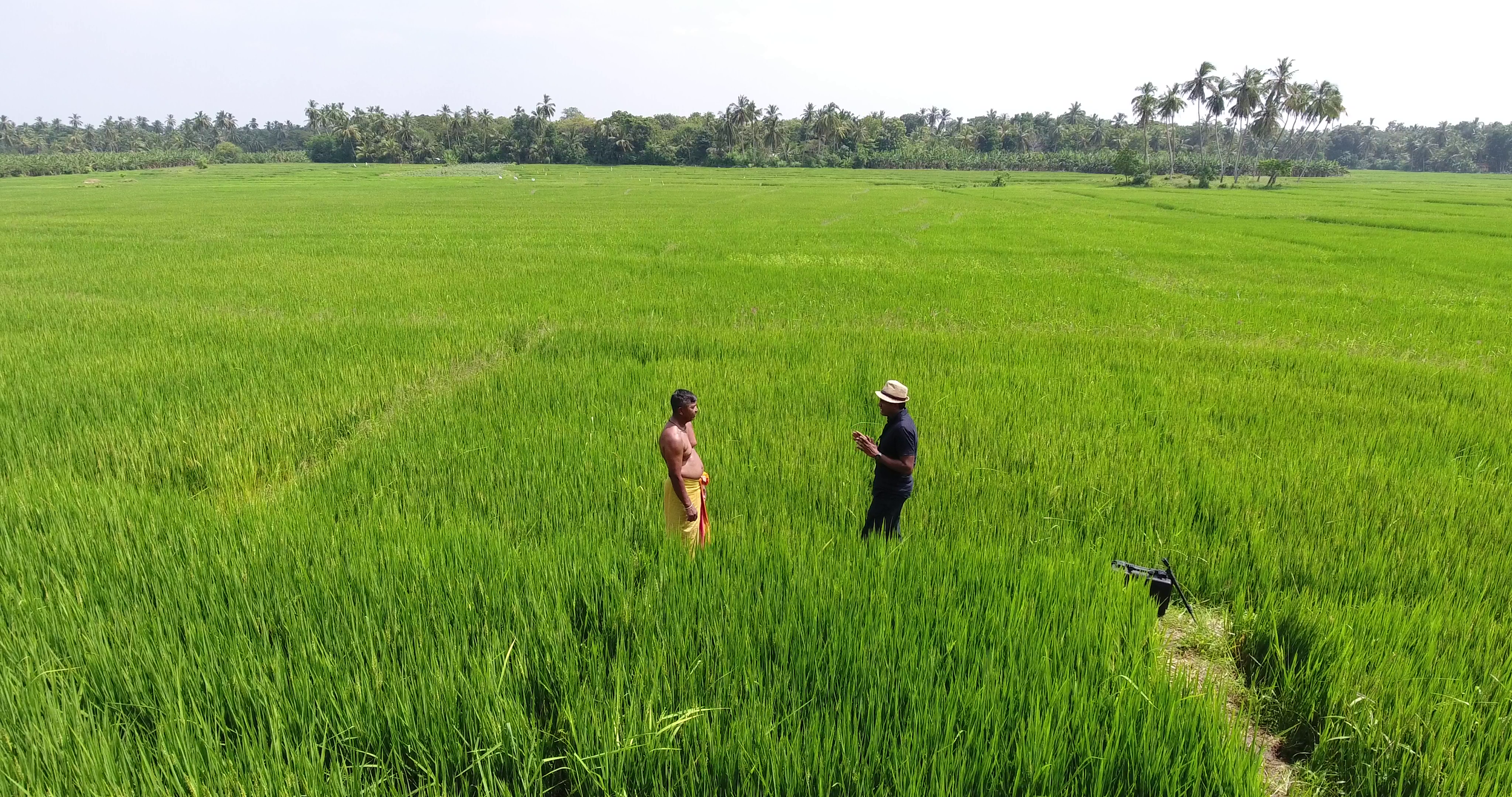
Drone footage is still one of my favourite things to work with. Storytelling is all about perspective and being able to shift perspective from wide views to something more focused, adds layers not only to the design of our films but the way people think about the story their watching.
We opened some of the films with some incredible clips and what I saw was a shift in perspective makes people sit up and watch but they don’t realise they are doing it. Because it’s so pleasing to the eye with lakes, mountains, forests, or cityscapes you feel like you have this birds eye view, like out of an airplane and it’s almost impossible to ignore it.
Drone footage gives you real sense of scale with huge wide shots to smaller intimate spaces. I collated some of the best, most breath-taking shots in this video. This is a personal favourite because I also was able to fly drones in many different locations.
6. The power of paid media
Within most organisations there are varying opinions around spending marketing budget on social media posts. Some see it as wasted money and others deem a social campaign pointless if you don’t have a paid media strategy involved.

We ran strategies across YouTube, Instagram, Twitter, LinkedIn, Facebook, Tencent and Weibo, over the course of many months in all major markets across the world. We used big and small agencies and our in-house team supported by a healthy budget.
Here are main takeaways that I implement now in campaigns:
Ask critical questions early:
- Define what content outputs you want and if social is included then create a plan for it.
- Why are you using social? Awareness, lead generation, drive to website, engagements?
- Where are your target audience? What platforms do they use?
- Define what success is, then identify if you can do with organically or you will need spend.
We had no community to build on, so everything we did was awareness to build one and to get critical information in-front of our target audience, predominately the next-generation of change makers – Millennials.
Putting the same amount of budget for the same post in different regions doesn’t work. You need to identify how costly each market is and bespoke how much you spend per post. Optimise as you go, social media teams are getting so much better at reviewing post performance, tweaking copy, re-defining audience demographics through a live campaign that you can learn what is working and shift strategy in the middle of a running campaign. This is a smart move, rather than just letting something run and hoping it does well.
The biggest thing I learnt was to test your content with small budgets then amplify. Our smaller agency partner introduced me to a great model of micro-budgeting for posts. You spend £25 on a post in a market, you get a profile of the sort of people that engage with that post based on the algorithms, you can try other posts with different thumb-stopping content in the first 3-5 seconds and once you identify how your target audience is engaging you can put a lot more money behind a more targeted approach meaning your content is reaching the people you want it to. This in turn will drive your conversion through the roof.
7. Good content keeps on giving

The final thing that I saw first-hand is how far good content can go. Organisations spend a lot of money on short corporate videos and once it’s served its purpose it’s done. This campaign showed me that capturing content, having a multi-channel approach meant we found ourselves sat on essentially a library of footage that then kept on giving.
We have been able to re-edit and re-purpose all the footage time and time again for different relevant videos in other parts of the business, under a completely new skin for a different audience and as b-roll in other corporate and social films. The extra investment in time and money initially will give you at least four times returns in the long run.
Content is and will always be king and with the right approach can be amazing.
This campaign was cool on so many levels and these powerful stories will always stay with me. Seeing first-hand how connectivity is defining our world for good gave me a personal sense of pride to be in this industry and also opened my eyes to so many new things.
As everyone knows, our current situation is concerning to say the least, but I am excited to see how we move forward and how technology advances in my lifetime.